Why We Develop a Crush On Someone: The Psychology and Technology Behind Attraction
Few human experiences are as universally felt yet as deeply personal as developing a crush on another person. That flutter in your chest when they walk into the room, the way your thoughts keep drifting back to them, the nervous excitement before you speak—these sensations are familiar to almost everyone. Yet the mechanics behind a crush remain surprisingly complex, blending evolutionary biology, neurochemistry, personal psychology, and now, increasingly, digital technology. Understanding why we develop crushes can help us navigate them with more clarity, whether they lead to lasting relationships or simply fade into fond memories.
The Science of Attraction: What Happens in Your Brain
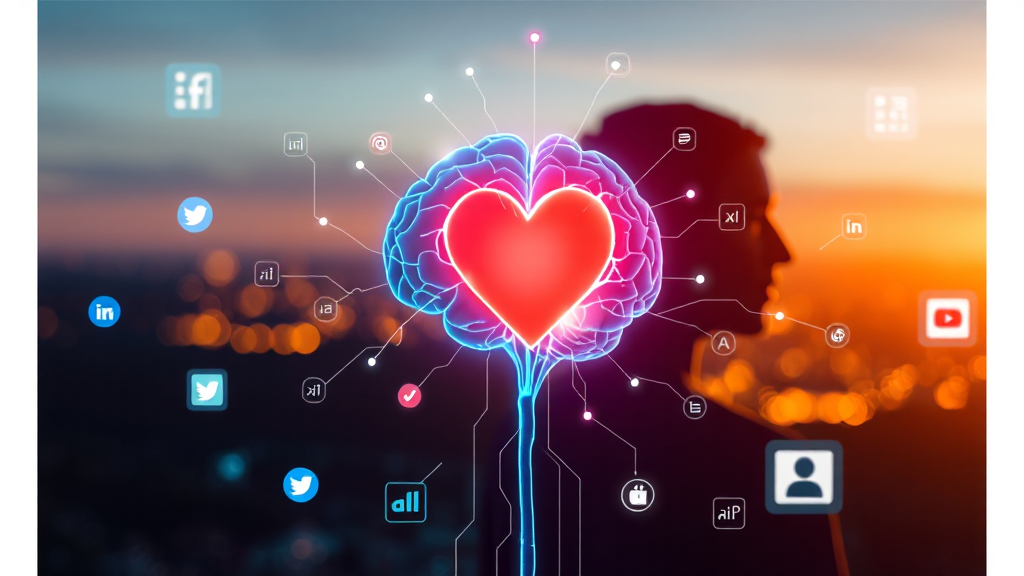
When you develop a crush, your brain becomes a bustling chemical factory. Dopamine, the neurotransmitter associated with reward and motivation, surges whenever you think about or interact with the person you are drawn to. This is the same chemical that drives gambling addiction and the pursuit of goals—it creates a powerful craving for more contact. Norepinephrine, meanwhile, produces that giddy, alert feeling, similar to the effects of adrenaline. Your heart races, your palms sweat, and your attention narrows onto a single individual.
Serotonin levels can actually drop during early romantic attraction, which may explain why people with crushes often obsess over their beloved, checking their phone constantly or replaying conversations in their heads. This neurochemical cocktail is designed by evolution to push us toward reproduction and pair-bonding, but it does not always align with long-term compatibility. That is why a crush can feel overwhelming even when the rational part of your brain knows the match may not be ideal.
Interestingly, the brain regions activated during a crush overlap significantly with those involved in addiction. The nucleus accumbens, a key reward center, lights up when you see a photo of your crush or receive a message from them. This explains why digital interactions—liking a post, getting a reply—can feel so addictive and why technology platforms have learned to leverage these neural pathways.
Psychological Triggers: Why That Specific Person?
Crushes are not random. They often emerge from a combination of proximity, mystery, and perceived value. The mere exposure effect means we tend to like people we see frequently, which is why crushes commonly develop at school, work, or within social circles. But familiarity alone is not enough. A hint of uncertainty—not knowing whether the feeling is mutual—can amplify attraction dramatically. The unknown creates a dopamine loop that keeps us engaged.
We also project our own desires onto the object of our crush. Psychologists call this idealization. We fill in the gaps of what we do not know with qualities we wish the person had. This is why crushes often crumble when we get to know someone more deeply: the real person cannot compete with the fantasy. Childhood experiences, attachment styles, and even our parents’ traits can shape who we find irresistible. Someone with an anxious attachment style might be drawn to distant or unavailable people, recreating familiar dynamics.
Social proof plays a role too. If others find someone attractive or desirable, we are more likely to see them that way as well. This is why celebrities and influencers become collective crushes—millions of people project their fantasies onto the same public figure. In the digital age, this phenomenon has scaled exponentially, with parasocial crushes on online personalities becoming increasingly common.
The Digital Crush: How Technology Reshapes Attraction
Technology has fundamentally altered how crushes form and evolve. Before the internet, a crush was usually limited to people you met in person. Today, you can develop a crush on someone you have never spoken to—a streamer, a writer, an avatar, or an AI companion. Social media platforms and dating apps are engineered to maximize engagement, and they do so by tapping directly into the same reward systems that drive romantic crushes.
Consider how a simple notification can trigger a dopamine hit. When the person you are crushing on likes your photo or replies to your story, your brain treats it as a reward. Over time, you may find yourself checking your phone compulsively, hoping for another hit. This is not a character flaw; it is a predictable response to variable reward schedules, the same mechanism that makes slot machines so compelling.
Beyond social media, entire platforms have emerged to cater to the human need for connection and fantasy. One example is crush on, an AI-powered platform where users can interact with customizable virtual characters. While it may not replace real human relationships, it offers a space for people to explore their feelings, practice social interaction, or simply enjoy a guilt-free fantasy. The rise of such technology raises interesting questions: Can you have a genuine crush on an AI? And what does that say about the nature of attraction itself?
Research suggests that the brain responds to virtual interactions in ways similar to real ones, especially when the interaction feels personalized and responsive. If an AI remembers your preferences, asks follow-up questions, and expresses what seems like affection, your brain may release oxytocin and dopamine just as it would with a human. This does not mean the feelings are fake—they are real neurochemical events—but it does mean we need to be mindful of how we invest our emotional energy.
From Crush to Connection: Navigating Real Feelings
Having a crush can be exhilarating, but it can also be painful, especially if the feelings are unrequited. The key to managing a crush healthily is to maintain perspective. Remind yourself that the intense emotions are partly chemical and partly projection. Give yourself permission to enjoy the feeling without letting it consume your life. If you want to pursue a real relationship, take gradual steps to get to know the person beyond the fantasy. If the crush is not reciprocated, allow yourself to grieve briefly and then redirect your energy toward other fulfilling activities.
It is also worth examining what the crush represents. Often, the qualities we admire in a crush are qualities we wish to develop in ourselves. That charisma, confidence, or creativity might be something we can cultivate. In this way, a crush can become a catalyst for personal growth rather than a source of frustration.
For those who find themselves repeatedly drawn to unavailable people, therapy or self-reflection can help break the pattern. Attachment theory offers useful insights: secure individuals tend to form crushes that are more grounded and reciprocal, while anxious or avoidant individuals may be drawn to chaos or distance. Understanding your own attachment style can transform how you approach attraction.
The Role of AI and Virtual Companions in Modern Crushes
As artificial intelligence becomes more sophisticated, virtual companions are becoming a mainstream part of the emotional landscape. Platforms like crush on allow users to create and chat with AI characters that can simulate romantic interest, friendship, or even complex emotional dynamics. For some, this is a safe way to explore feelings without the risk of rejection. For others, it can become a substitute for human connection, which may be problematic if it prevents real-world relationships.
Psychologists are still studying the long-term effects of AI relationships. Early findings suggest that they can reduce loneliness for some users, particularly those who are socially anxious or isolated. However, they can also reinforce unrealistic expectations about relationships, since AI companions are often designed to be endlessly patient, agreeable, and available. Real people have needs, moods, and boundaries that AI does not.
That said, there is no denying the appeal. A virtual crush offers a low-stakes way to experience the thrill of attraction. You can flirt, share secrets, and feel desired without fear of judgment. For people recovering from heartbreak or exploring their identity, this can be a valuable tool. The important thing is to maintain self-awareness and ensure that virtual interactions complement rather than replace human ones.
Cultural Perspectives on Crushes
Different cultures have varying attitudes toward crushes. In some societies, crushes are seen as a normal part of adolescence, a harmless rite of passage. In others, they are discouraged, especially if they cross social or religious boundaries. The rise of global digital culture has created a more homogenized view, where crushes on celebrities, influencers, and fictional characters are widely shared and celebrated.
In Japan, for example, the concept of “oshi” refers to a devoted fan’s crush on an idol, often accompanied by elaborate rituals of support. In Western cultures, teen magazines and social media have long fueled celebrity crushes. And in the online world, fandoms collectively crush on fictional characters, creating fan fiction, art, and entire communities around shared affection.
Understanding these cultural dimensions can help us see that crushes are not just individual quirks but social phenomena shaped by media, technology, and community norms. They connect us to others who feel the same way, creating a sense of belonging even when the crush itself is unattainable.
Frequently Asked Questions About Crushes
Is it normal to have a crush on someone you have never met?
Yes, it is increasingly common. With social media, streaming, and online communities, we often develop feelings for people we only know through a screen. The brain responds to parasocial interactions in ways similar to real ones, so the crush feels genuine even without physical presence. However, it is important to recognize the limitations and not let it replace real-world connections.
How long does a typical crush last?
Crushes can last anywhere from a few weeks to several years, depending on the circumstances. If the feelings are reciprocated and a relationship develops, the crush may evolve into deeper love. If unrequited, the intensity usually fades over time, especially if you limit contact and focus on other aspects of your life. There is no fixed timeline, but most crushes diminish within a few months to a year.
Can you have a crush on an AI or virtual character?
Absolutely. Many people develop strong emotional attachments to AI companions and fictional characters. The brain does not always distinguish between real and simulated connection when the interaction feels personal and responsive. Platforms like crush on are designed to facilitate these interactions, and for some users, they provide comfort and entertainment. As long as it does not interfere with daily functioning or real relationships, it can be a healthy form of exploration.
What should I do if my crush does not feel the same way?
First, allow yourself to feel disappointed without judgment. Then, gently distance yourself if possible—unfollow, avoid constant checking, and invest in friendships and hobbies. Remind yourself that the intensity is partly chemical and will fade. If the feelings persist and cause distress, talking to a therapist can help you process them and uncover any underlying patterns.
Are crushes healthy?
Crushes are a normal and often healthy part of human experience. They can boost mood, inspire self-improvement, and teach us about our desires. They become unhealthy only when they turn into obsession, cause significant distress, or lead to stalking or harassment. As long as you maintain respect for the other person’s boundaries and your own well-being, a crush can be a positive force.
Conclusion: Embracing the Complexity of Attraction
Crushes are a beautiful, messy, and deeply human phenomenon. They arise from a blend of brain chemistry, personal history, and social context, and they can be both delightful and devastating. In the digital age, technology has added new layers to how we experience attraction, from social media dopamine loops to AI companions that simulate romance. Whether your crush is on a coworker, a celebrity, or a virtual character, understanding the forces at play can help you navigate the experience with greater awareness and emotional intelligence. Embrace the feeling, learn from it, and remember that the most important relationship you will ever have is the one with yourself.
About the Author