Online Rummy Game: A Complete Beginner’s Guide to Rules, Skills and Smart Play
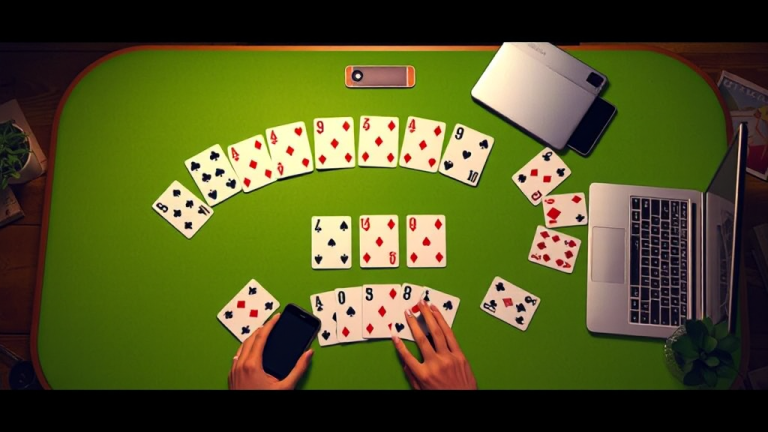
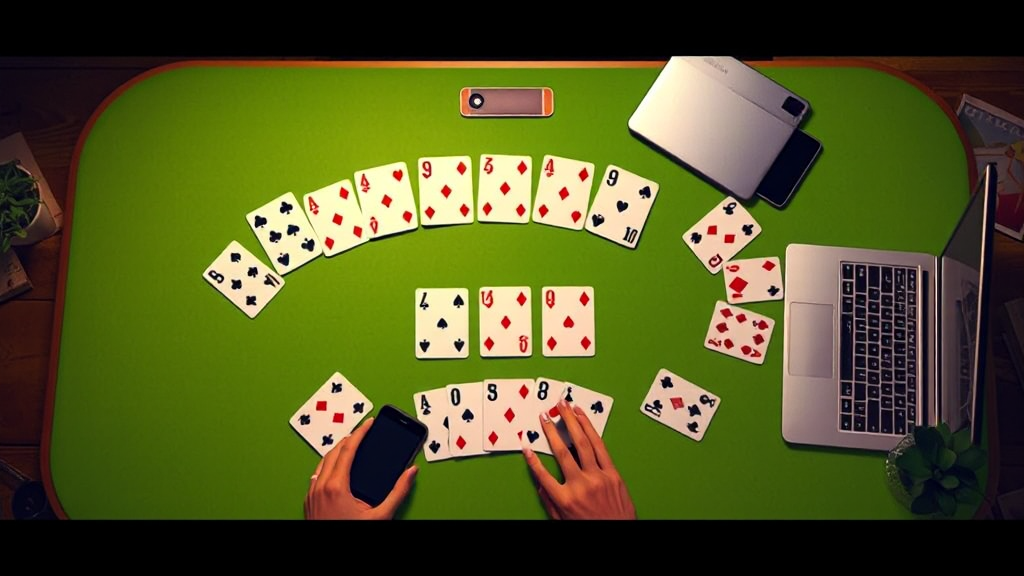
Card games have a way of pulling people in, and few do it as quietly and persistently as rummy. The Online Rummy Game has turned a tabletop classic into something you can enjoy on a phone or laptop, at your own pace, and against players from all over the world. If you have ever watched someone arrange thirteen cards into neat groups and wondered what the logic was, this guide is for you. We will walk through the rules, the skill behind the moves, the habits that separate casual players from consistent ones, and the practical details you should know before you sit down at a digital table.
What Exactly Is an Online Rummy Game?
At its core, rummy is a matching and sequencing game. Each player receives a set of cards and tries to arrange them into valid combinations before anyone else. In the traditional 13-card format, you hold thirteen cards, draw one, and discard one each turn. Your goal is to form groups and runs that satisfy the game’s rules. A group (sometimes called a set) is three or four cards of the same rank but different suits. A run (or sequence) is three or more consecutive cards of the same suit.
An online rummy game takes this structure and places it on a digital table. The cards are dealt automatically, the timer keeps things moving, and the app handles scoring, validation and turn order. What remains entirely in your hands is the decision-making: which card to pick, which to throw, when to rearrange your plan, and when to declare. That is the part that makes the game interesting, and it is also the part that rewards practice.
Many platforms now offer variations such as points rummy, pool rummy and deals rummy. Each changes the scoring or the number of rounds, but the underlying idea stays the same. Learn one format well, and the others become easier to pick up.
The Basic Rules You Need to Know Before You Play
Every rummy variant shares a common skeleton, so start here:
- Deck and deal: A standard 52-card deck is used, often with printed jokers added as wild cards. In a 13-card game, each player gets thirteen cards.
- The draw and discard cycle: On your turn, you take one card from either the closed deck or the open discard pile, then discard one card to end your turn.
- Valid combinations: You need at least two sequences, and at least one of those must be a pure sequence made without a joker.
- Melding and declaring: Once your hand is arranged into valid combinations, you declare. The app verifies your cards and shows whether the declaration is correct.
- Scoring: If you declare successfully, opponents’ unmatched cards are counted against them. If your declaration is invalid, you take the penalty instead.
New players often lose points not because they cannot form sequences, but because they forget the pure sequence requirement or misjudge which card is safe to discard. Reading the rules once is not enough; playing a few low-stakes practice rounds is what makes them stick.
Why Rummy Is a Skill Game, Not a Guessing Game
There is a common assumption that card games are mostly about luck. Luck does play a role in what you are dealt, but the online rummy game rewards players who observe, remember and adapt. Three skills matter more than anything else.
First, hand reading. The discard pile is not random clutter. It tells a story. If an opponent keeps picking from the open pile, they are likely building around a specific suit or rank. If they discard high-value cards early, they may be chasing a sequence rather than collecting points.
Second, card memory. You do not need a photographic memory, but tracking which cards have been discarded helps you estimate what is still available. If all four sevens have appeared, you can stop waiting for one.
Third, flexibility. Beginners often lock onto a single plan. Skilled players hold multiple possibilities and switch when the deck stops cooperating. That willingness to pivot is what keeps a hand alive when the first idea stalls.
Because of these elements, rummy sits comfortably alongside chess and bridge as a game where decisions matter. That is also why serious players review their hands after a match, looking for the turn where they could have discarded differently.
Building a Smart Approach to Each Hand
Good rummy play is less about dramatic moves and more about small, consistent choices. Here are habits that help at every level.
Sort your cards immediately. Group them by suit and rank as soon as they are dealt. A clear layout makes it easier to spot sequences and identify the cards that do not fit anywhere.
Protect your pure sequence first. Since at least one sequence must be joker-free, prioritize building it early. Once that foundation is secure, you can use jokers more freely elsewhere.
Discard with intention. Do not throw the card you simply dislike. Throw the card that helps you least and is least likely to help an opponent. High cards that sit alone are usually good candidates.
Watch the timer. Online formats often include a turn clock. Practicing with a timer builds the kind of quick pattern recognition that live play demands.
Keep score in mind. In points rummy, every unmelded card has a value. Sometimes it is better to declare a modest hand than to chase a perfect one and risk a heavy penalty.
These are not advanced secrets; they are fundamentals. Players who master them tend to enjoy the game more because they understand why they win and why they lose.
Choosing a Platform and Getting Started
Before you register anywhere, spend a little time comparing options. Look at the game variants offered, the clarity of the rules section, the responsiveness of the interface, and how transparent the scoring is. A well-designed platform shows you exactly why a declaration was accepted or rejected, which is invaluable when you are learning.
Directories and curated listings can help here. Prime Card Rummy, for example, presents Android rummy-style apps with details such as bonuses, ratings, withdrawal pointers and installation information. It is an editorial directory rather than a place to play, so it works well as a starting point when you want to compare apps side by side before committing to one.
Once you choose a platform, start with practice tables or low-stakes games. The goal in your first week is not to win big; it is to internalize the rhythm of drawing, discarding and declaring. Speed comes later.
Common Mistakes New Players Make
Most early losses come from a handful of recurring errors. Recognizing them early saves a lot of frustration.
- Ignoring the pure sequence rule: You can have a beautiful hand full of jokers and still have it rejected. Always secure one natural sequence first.
- Holding too many high cards: High-value cards that do not combine are liabilities. Move them out before they pile up.
- Overusing jokers: Jokers are powerful, but leaning on them too early can leave you without flexibility later.
- Playing too fast: Speed feels good, but a rushed discard is the most common cause of avoidable mistakes.
- Not reviewing hands: A quick look back at a finished game reveals patterns you would otherwise repeat.
None of these mistakes are fatal. They are simply habits that need replacing with better ones, and that happens through deliberate practice.
Responsible Play and Healthy Expectations
Any game that involves real stakes deserves a mature approach. Set a time limit before you start, decide in advance what you are comfortable spending, and treat losses as part of the learning curve rather than something to chase. Rummy is meant to be engaging and social, not stressful.
Most platforms are intended for adults aged 18 and over, and many include tools to help players manage their activity. If a session stops feeling enjoyable, stepping away is always a reasonable choice. The best players are the ones who can walk away from the table with the same calm they brought to it.
Frequently Asked Questions About Online Rummy
Is online rummy a game of luck or skill?
It is primarily a skill game. The deal is random, but decisions about drawing, discarding, arranging and declaring determine the outcome over time. Experienced players consistently outperform beginners because they read the table and manage their hands better.
How many cards do you get in a standard online rummy game?
In the most common 13-card format, each player receives thirteen cards. Some variants use fewer cards, but the draw-and-discard structure remains the same across formats.
Do I need a pure sequence to declare?
Yes. In standard rummy rules, you need at least two sequences, and at least one of them must be a pure sequence built without a joker. Failing this requirement invalidates your declaration.
Can beginners play online rummy without spending money?
Many platforms offer practice tables or free-play modes. These are ideal for learning the rules and building confidence before you consider any paid format.
What should I look for in a rummy app?
Look for clear rules, transparent scoring, a responsive interface and reliable customer support. Curated directories and comparison listings can help you evaluate these factors before you install anything.
Final Thoughts
The online rummy game is one of those rare digital pastimes that rewards patience as much as speed. It asks you to think, observe and adjust, and it gives you a clear picture of your progress over time. Start with the fundamentals, play a few honest practice rounds, and let your decisions improve one hand at a time. Whether you are drawn to the strategy, the social side or simply the pleasure of arranging a stubborn hand into something clean, there is a version of rummy that fits how you like to play.
About the Author